Metals

When selecting metals for jewelry, there are several key differences to consider, each impacting the appearance, durability, and price of the piece. Here’s an overview of some common metals used in jewelry:
1. Gold
- Purity: Gold is measured in karats (k). 24k gold is pure, while lower karats, such as 18k or 14k, are alloys mixed with other metals for strength. The higher the karat, the purer the gold.
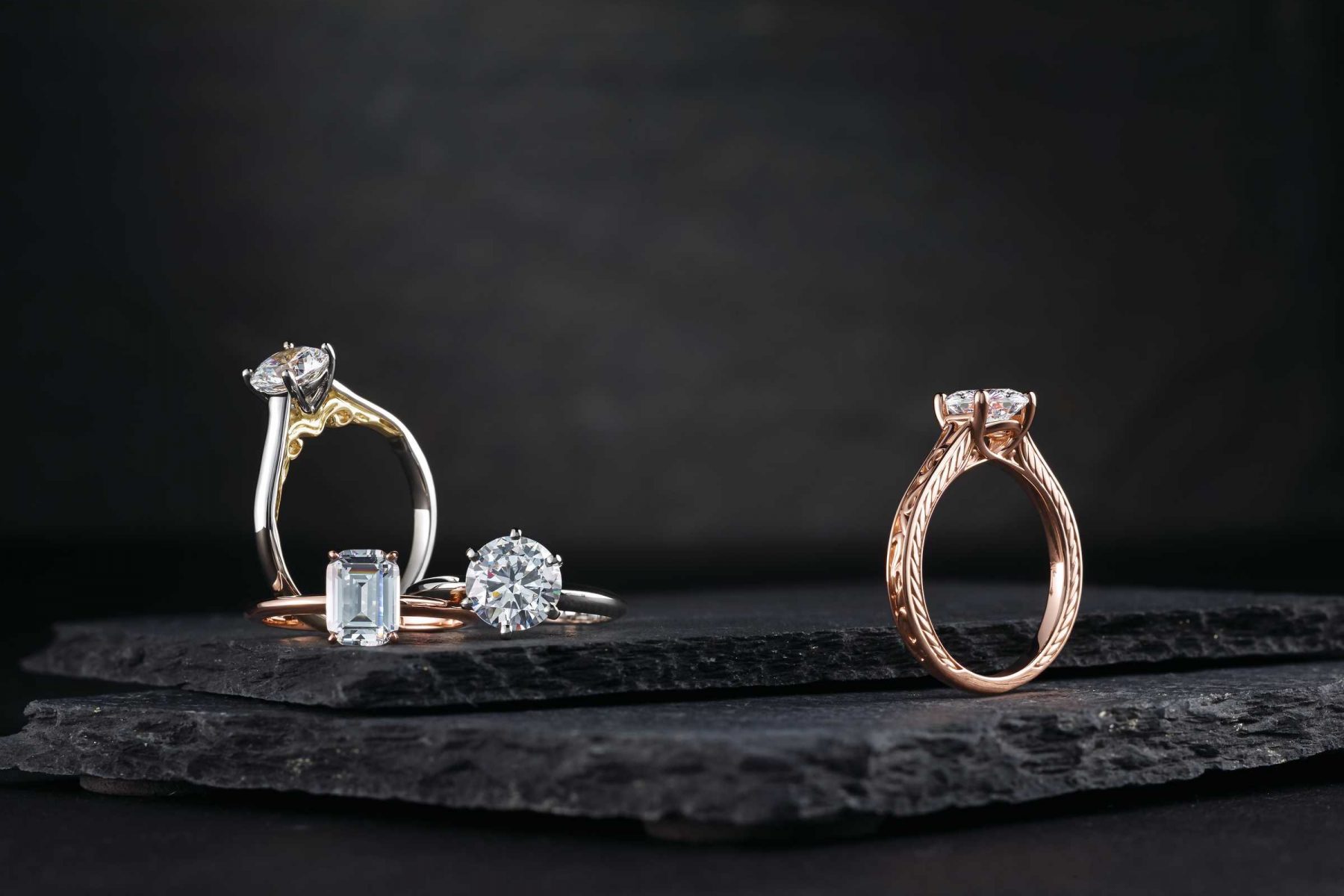
- Appearance: Gold comes in various colors: yellow, white, and rose. Yellow gold retains a classic look, while white gold is silver-toned and often rhodium-plated, and rose gold has a warm, pinkish hue.
- Durability: Pure gold is soft and can be prone to scratching, so alloys are often used to make it more durable. 14k and 18k gold are commonly used for rings and other fine jewelry.
- Cost: Pure gold is generally more expensive, with the price varying based on purity and weight.
2. Silver
- Purity: The most common silver used in jewelry is sterling silver, which is 92.5% pure silver and 7.5% other metals (typically copper).
- Appearance: Silver has a bright, shiny finish that can tarnish over time, turning a grayish color due to exposure to air and moisture.
- Durability: Sterling silver is softer than gold, meaning it can be scratched more easily, but it’s still relatively durable and can be polished back to its original shine.
- Cost: Silver is much more affordable than gold, making it a popular choice for everyday jewelry.
3. Platinum
- Purity: Platinum is considered a precious metal and is typically around 95% pure in jewelry. It’s denser and heavier than gold and silver.
- Appearance: Platinum has a naturally white, silvery sheen and doesn’t require plating to maintain its color. It retains its luster for a long time.
- Durability: Highly durable and resistant to tarnish, platinum is ideal for pieces subject to wear, like engagement rings. However, it can scratch, but the scratches don’t cause loss of material, unlike other metals.
- Cost: Platinum is one of the most expensive metals for jewelry due to its rarity and strength.
4. Palladium
- Purity: Palladium is a member of the platinum group of metals and is often used as an alloy in white gold. It’s typically 95% pure in jewelry.
- Appearance: Palladium has a similar color to platinum, with a white, shiny finish.
- Durability: Palladium is lighter and slightly less dense than platinum but still highly durable. It’s resistant to tarnish and corrosion.
- Cost: Palladium is generally less expensive than platinum, making it a cost-effective alternative for those seeking platinum-like qualities.
5. Titanium
- Purity: Titanium is a lightweight, strong metal, and is often used in high-performance jewelry. It’s hypoallergenic and highly resistant to corrosion.
- Appearance: Titanium has a grayish, matte finish, but can be anodized in various colors for unique effects.
- Durability: Extremely durable and lightweight, titanium is highly scratch-resistant, but it’s challenging to resize once made into jewelry.
- Cost: Titanium is generally more affordable than gold and platinum, making it popular for men’s wedding bands and modern designs.
- Disadvantages: Unfortunately, this metal cannot be repaired or resized.
6. Stainless Steel
- Purity: Stainless steel is an alloy of iron, chromium, nickel, and other metals. It’s not as pure as gold or silver, but it’s highly functional.
- Appearance: Stainless steel has a silver-toned, shiny appearance that mimics white gold or platinum but at a lower cost.
- Durability: It’s highly durable, resistant to scratches, tarnish, and corrosion, making it great for everyday wear.
- Cost: Stainless steel is one of the most affordable metals, making it ideal for fashion jewelry or pieces that need to withstand rough use.
- Disadvantages: Unfortunately, this metal cannot be repaired or resized.
7. Rose Gold
- Purity: Rose gold is typically made by alloying gold with copper, giving it a distinctive pink or reddish hue. It’s available in different karats, with 18k and 14k being the most popular.
- Appearance: It has a romantic, vintage look due to its reddish hue.
- Durability: Because of the copper content, rose gold is more durable than yellow gold and holds up well over time.
- Cost: Similar to yellow gold in price, but it may vary depending on the alloy composition.
8. Copper
- Purity: Copper is a naturally occurring metal that is often alloyed with other metals to create alloys like bronze or brass.
- Appearance: Copper has a reddish-brown color that darkens over time and can develop a patina, adding to its unique charm.
- Durability: While relatively soft, copper is durable enough for various types of jewelry. However, it can tarnish quickly and may cause skin discoloration.
- Cost: Copper is one of the least expensive metals, making it a popular choice for costume jewelry or for artistic designs.
9. Tungsten
- Purity: Tungsten is often used in the form of tungsten carbide, which is a composite of tungsten and carbon. It’s known for its hardness.
- Appearance: Tungsten has a sleek, dark, metallic sheen. It’s heavier and often comes in a polished finish but can also be matte or brushed.
- Durability: Tungsten is one of the hardest metals, making it highly scratch-resistant. However, it is brittle and can crack under impact.
- Cost: Tungsten is relatively inexpensive compared to platinum and gold, making it a popular choice for men’s wedding bands.
- Disadvantages: Unfortunately, this metal cannot be repaired or resized.
Summary of Key Differences:
- Durability: Platinum, titanium, and tungsten are the most durable, while gold and silver are softer but still popular for their beauty.
- Appearance: Gold offers a variety of hues, while platinum and palladium are both naturally white. Copper and rose gold offer distinct colors.
- Cost: Gold and platinum are more expensive, while metals like stainless steel, titanium, and copper are more affordable.
- Hypoallergenic Properties: Platinum, palladium, and titanium are less likely to cause allergic reactions compared to other metals.